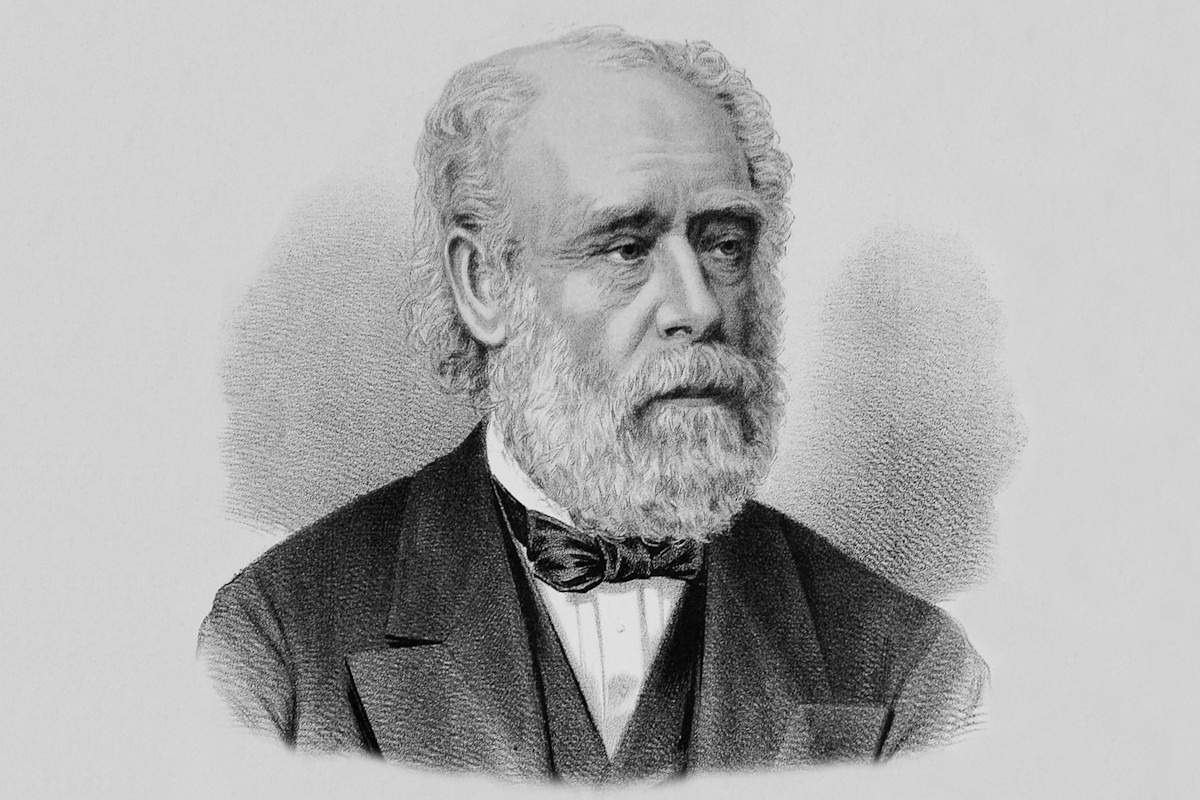
On Wednesday afternoon in boisterous and miserably wet weather the interment of the remains of Sir Joseph Whitworth, Bart., took place at Darley Dale Churchyard – so rich in old associations and historic interest. Sir Joseph’s name was familiar as a household word almost all over the civilised world, but at Darley had a homely sound, and was associated with progress and a peaceful and kindly interest in the welfare of the place and the residents.
Category: Hex Bore
‘Hex Bore’ is the Whitworth Research Project for the study of Whitworth rifles and artillery. Whitworth’s experiments revolutionised rifle design.
Browse the latest posts below, or see:
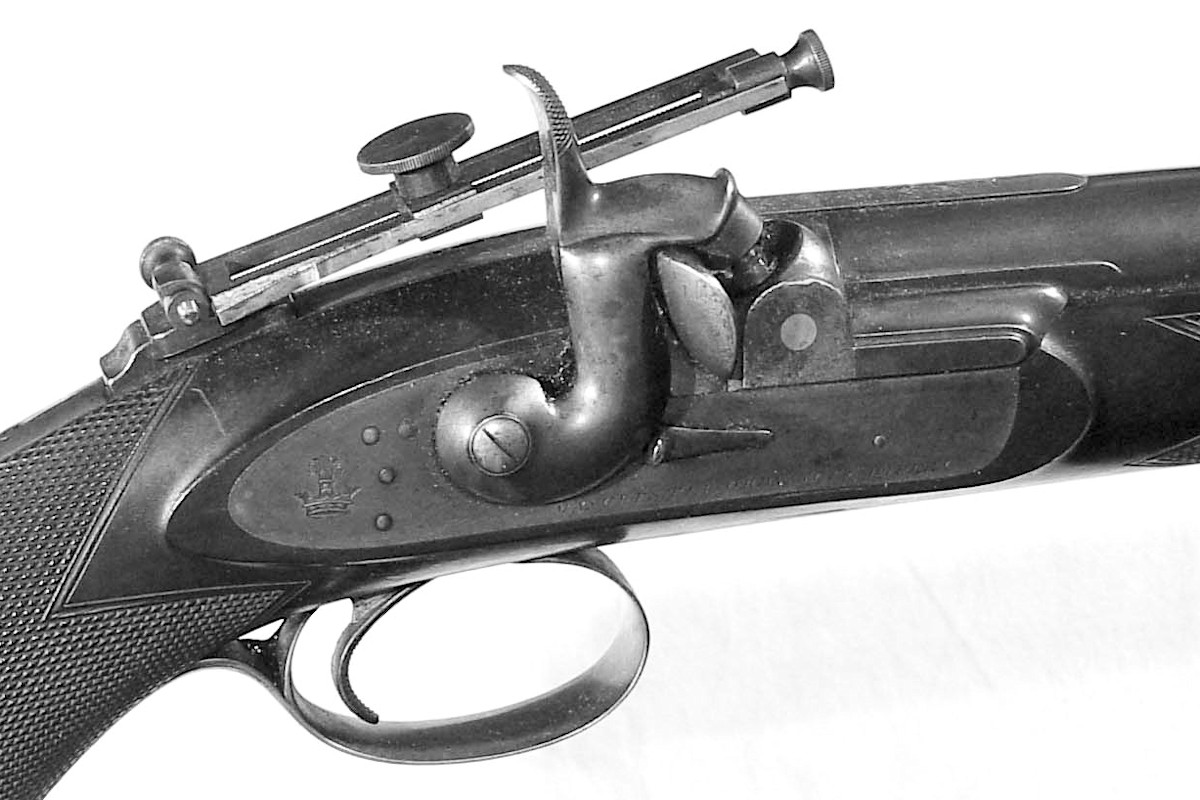
The Whitworth Rifle: A Brief Introduction
During the 1850s and 1860s the British service rifle calibre was .577, both for the muzzle-loading Enfield rifle and its breech-loading successor the Snider (a conversion of the Enfield). Early manufacture of the Enfield relied on much hand labour and consequently lead to problems of inconsistent performance, non-interchangeability of parts and slow supply. Joseph Whitworth was approached to provide assistance with regards to the design of appropriate machinery for its manufacture.
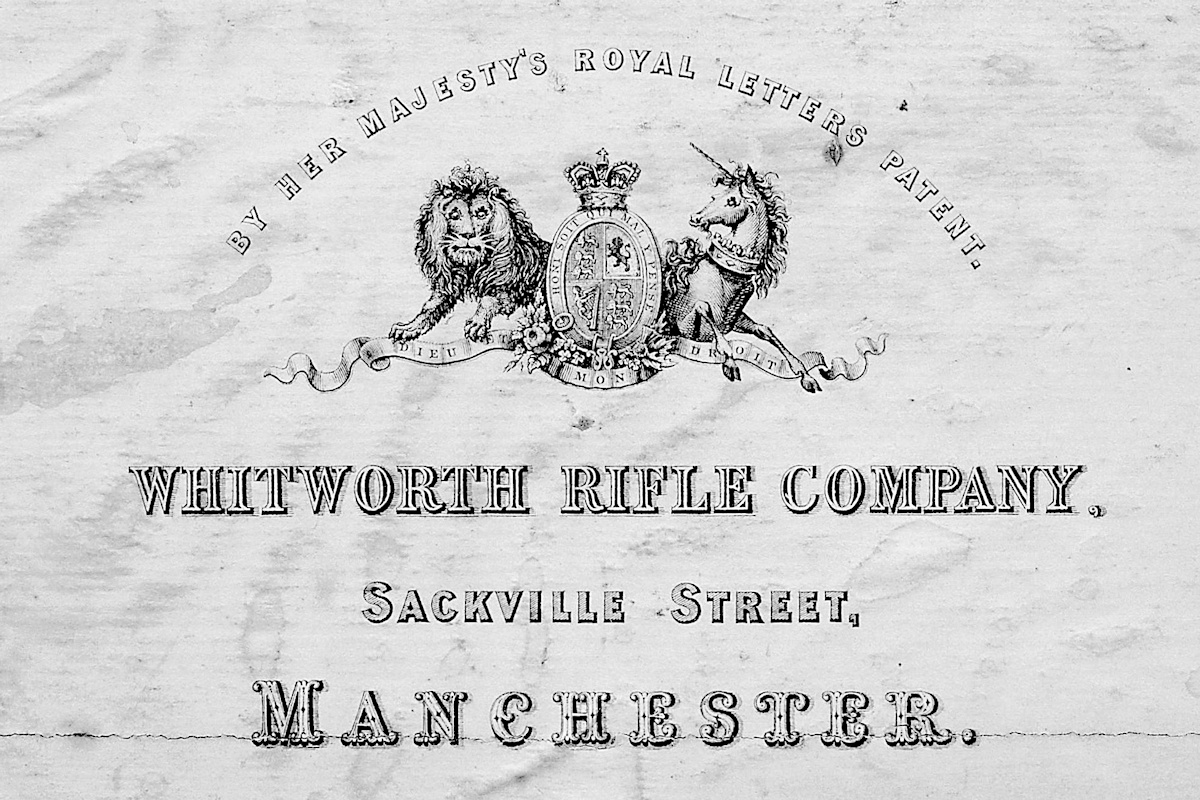
Whitworth Patent Cartridge
Hold the cartridge in the left band by the first and second fingers and the thumb, with the trap downwards, the muzzle of the gun being held at the same time against the palm of the left hand by the third and fourth fingers. Insert the cartridge into the conical recess of the muzzle, and hold it there.
Loading & Cleaning The Whitworth Patent Military Rifle
The cylindrical form of projectile is the best for general use. It is 530 grains in weight and is wrapped with paper. In loading, the projectile should be pressed gently home, and should not be so forced down as to crush the lubricating wad or the grains of powder. Projectiles cast from the mould are not to be relied upon for accurate shooting, unless they are passed through a die-press.