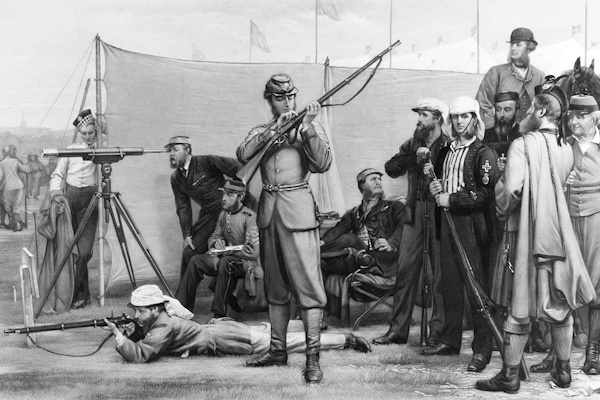
Biographic index of Guernsey riflemen.
Author: Research Press
Wimbledon & the Volunteers
Mention Wimbledon today and tennis will be the sport that springs to mind; in the latter part of the 19th Century however, the foremost sport would have been rifle shooting. From 1860 until 1889 the National Rifle Association (NRA) held their annual rifle meeting on Wimbledon Common, with attendance in the thousands… and that was just the riflemen! So who were these riflemen and what were they doing at Wimbledon?
Death of Sir Henry Halford
We record with a regret which will be shared in many circles, and particularly amongst those who have taken an interest in the development of rifle-shooting in this country, the death at Wistow Hall, Leicester, yesterday, after a long illness, arising from a heart affection, of Sir Henry St. John Halford, of Wistow.
Death of Sir Henry Halford
We regret to record the death of Sir Henry St. John Halford, C.B., which occurred at Wistow Hall, his residence at Leicester, at two o’clock yesterday afternoon after an illness of several months’ duration.
Memoir of William Ellis Metford
This Memoir was privately printed in May, 1900. It was written by W.E. Metford’s friend and contemporary Henry Brunel, C.E. and Major the Hon. T.F. Fremantle (later Lord Cottesloe). Metford’s work, whether in India or at home, was worthy of wider appreciation than it received, and he left in the world of those interested in rifle-work a gap which there is none to fill.
Wilson and Steward’s Sight Elevator
Established in London in 1852, Steward’s were opticians and scientific instrument makers. Steward’s had a long standing relationship with the National Rifle Association (NRA) and this article features one of their gauges.
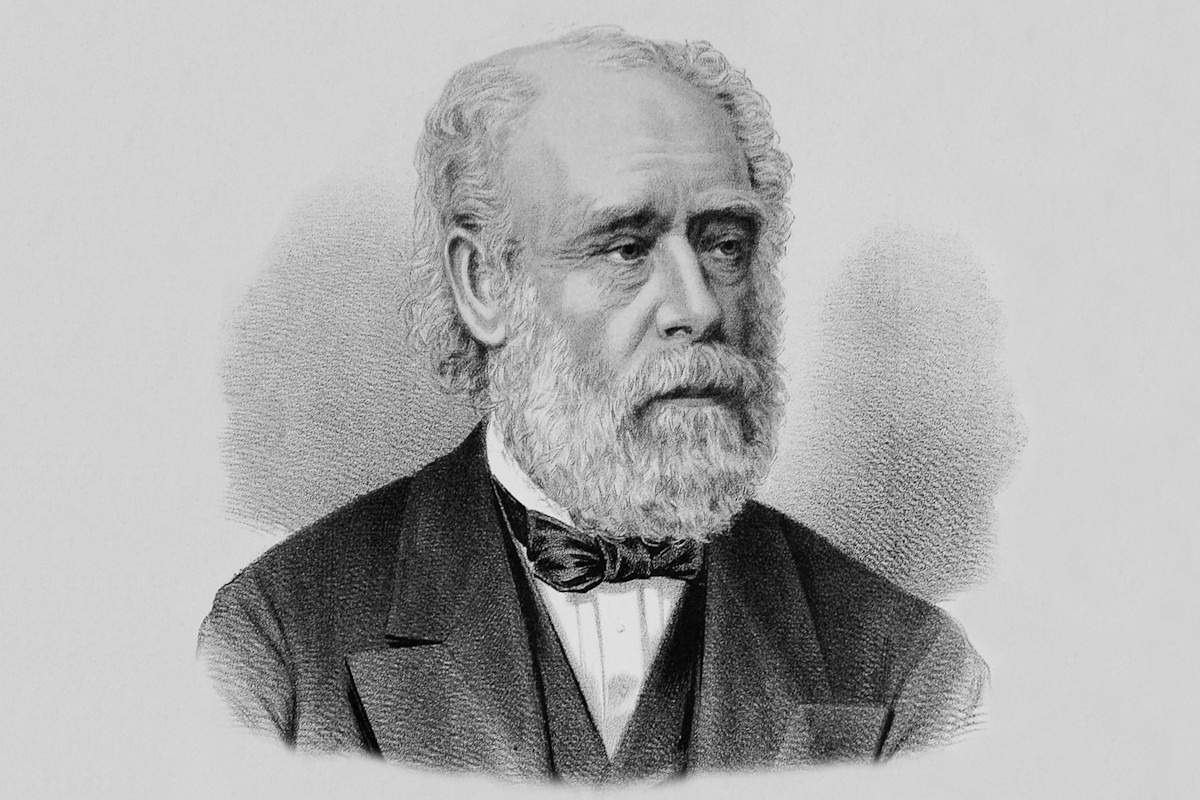
Interment of Sir Joseph Whitworth, Bart.
On Wednesday afternoon in boisterous and miserably wet weather the interment of the remains of Sir Joseph Whitworth, Bart., took place at Darley Dale Churchyard – so rich in old associations and historic interest. Sir Joseph’s name was familiar as a household word almost all over the civilised world, but at Darley had a homely sound, and was associated with progress and a peaceful and kindly interest in the welfare of the place and the residents.
Pedersoli Gibbs
The Pedersoli Gibbs long range percussion rifle is inspired by the 1865 target rifle made by the English gunsmith, George Gibbs. His rifles competed against other custom built target rifles of the era and in the right hands it proved capable of beating the costly custom built target rifles of that time. Today, the Pedersoli Gibbs rifle has proven to be the most successful rifle of it’s type and has won most of the Gold medals in international and domestic (US) shooting matches for this type of rifle.
Casting Bullets
First, some changes in your lead bullet casting technique may be required when casting the long, heavy .40 or .45 caliber bullets as compared to casting round balls. You may need a larger capacity lead pot, and the temperature of the lead may need to be higher. You must hold the lead dipper to the sprue plate for a longer time to assure all air is vented from the mould and the mould is filled. To obtain good castings, the mould and lead must be maintained at a uniform temperature.
Shooting Pointers
Percussion caps and nipples for the long range muzzle loader. Plus, a brief note on the importance of record keeping, consistent support position and butt plate position.
Loading the Rifle
Shooters need to develop a consistent way of loading the rifle. Here Bill Roberts offers different ways of loading and considers their merits.
Loading Accessories
A few tips on accessories for long range muzzle loading: powder measures, drop tube, cleaning and loading rods, bore cleaning solutions.